Peptides are having a real moment in biomedical science. For a long time, people saw them as nothing more than short bits of proteins, but now they’re at the heart of breakthroughs everywhere—from drug discovery and biotechnology to oncology and precision medicine. The appeal? Peptides are amazing at hitting very specific biological targets and triggering exactly the right reactions in our bodies.
Over the last ten years, research into peptides has picked up speed. New tools like advanced synthetic chemistry, AI, computational modeling, and cutting-edge drug delivery systems have opened doors we didn’t even know existed. Now, scientists are finding completely new peptide structures, building more stable synthetic versions, and inventing clever ways to get them where they need to go in the body.
Whether it’s next-generation cancer therapies, personalized treatments, greener ways to manufacture medicines, or using AI to discover new peptides, this wave of research is changing the way we tackle medical challenges.
This guide takes a closer look at what’s happening in peptide research right now, explains why so many scientists are focused on peptides, and explores the technologies that are shaping the future of the field.
Peptides offer a sweet spot between small-molecule drugs and bigger biological medicines. Compared to small molecules, peptides are much better at locking onto just the right receptor, which means fewer side effects. They’re also much easier to make, modify, and tweak for experiments than larger proteins.
Because of these perks, peptides have become go-to tools for people working in:
The short version? Scientists have realized peptides are like the Swiss Army knives of molecular research—versatile, reliable, and perfect for probing complex biological systems.
At their core, peptides are just short chains of amino acids. But don’t be fooled by their simple structure—they’re involved in nearly every essential process in living organisms, including hormones, immune signaling, cell communication, metabolism, brain activity, tissue growth, and inflammation.
Because peptides naturally help control these systems, they’re a perfect playground for scientists who want to understand how cells talk to each other or how signals get passed around inside the body.
One of the biggest obstacles for peptide drugs has always been delivery. The digestive system tends to break peptides down fast, so swallowing them doesn’t work well. Now, labs are creating all sorts of clever solutions—everything from nanoparticles and lipid carriers to microneedle patches and long-acting injectables—to protect peptides and get them right where they need to go.
Some of the newest technologies include:
These improvements aren’t just about getting drugs into the body—they’re also making it possible to study peptides in ways that were impossible before.
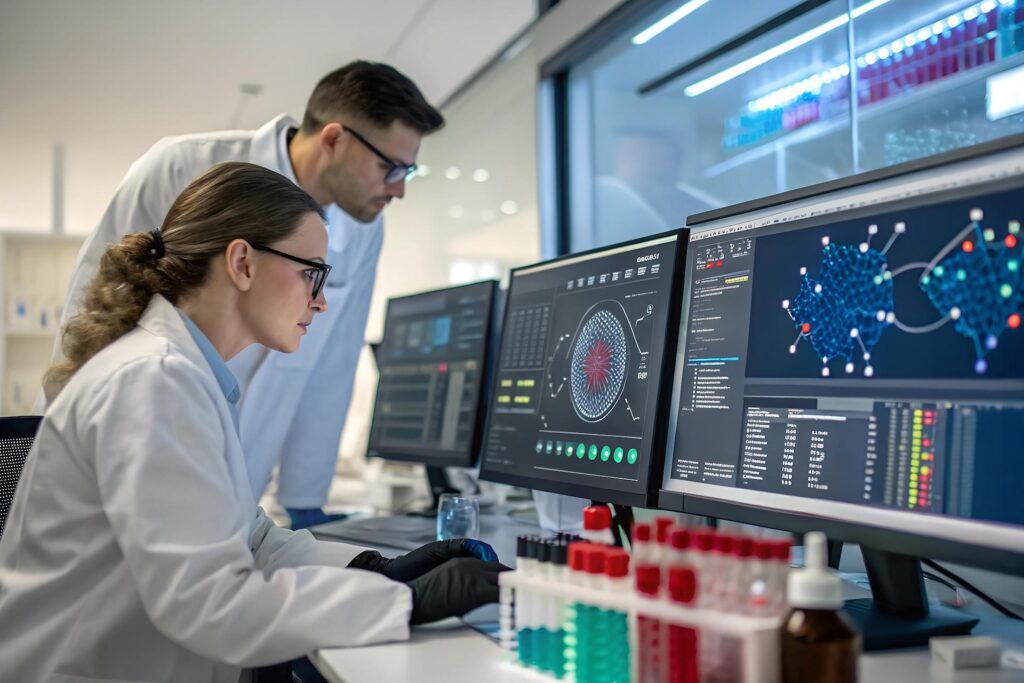
Artificial intelligence is shaking up peptide research. Instead of spending months screening thousands of different peptides by hand, researchers now train machine learning models to predict which ones are stable, which will bind the right receptors, and which actually have the effect they’re looking for—all before they ever step into a lab.
This approach is especially promising for fighting antibiotic resistance. With superbugs becoming harder to kill, scientists are leaning on AI to sift through massive databases, searching for antimicrobial peptides that nature might already have created.
Traditional peptide synthesis chews through resources—solvents, chemicals, and lots of energy. Researchers are finding greener ways to make these molecules, like using enzymes to speed up reactions, automating production lines, and finding ways to use fewer chemicals and less energy. Not only does this mean a smaller environmental footprint, but the process is often faster and cleaner.
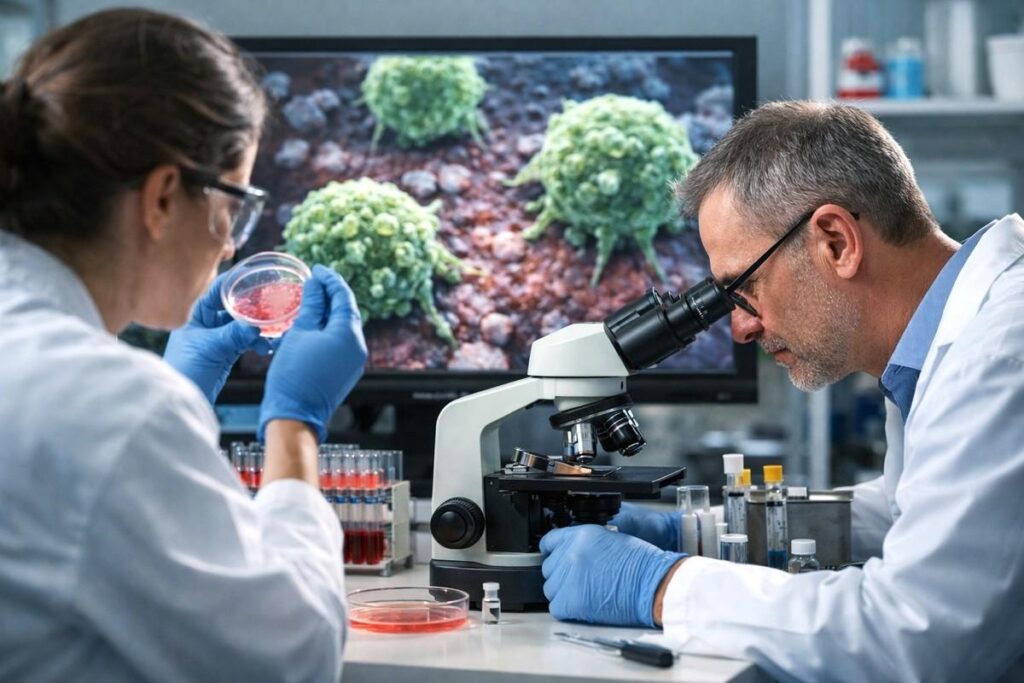
Cancer scientists are especially excited about peptides. With their ability to home in on very specific tumor markers, peptides bring a level of targeting you just can’t get from traditional treatments. Areas where they’re making the most noise include:
Researchers are even working on peptide vaccines to train the immune system to recognize and attack certain types of cancer. PROTACs are another exciting direction—they actually guide the cell to destroy problematic proteins instead of just blocking them. Still early days, but the approach is packed with potential.
Peptides aren’t just a cancer story. They’re popping up everywhere—in endocrinology, neurology, cardiovascular research, metabolic disorders, eye diseases, even rare genetic conditions.
Take eye disease, for example. New peptide-based therapies for retinal diseases like Geographic Atrophy are moving forward because these molecules can be designed to interact with exactly the right parts of the visual system.
Over in gastrointestinal research, peptides are being studied as a way to regulate inflammation, boost cellular repair, and support gut health. The more scientists understand how these peptides work, the closer they get to truly innovative treatments.
Scientists have always borrowed ideas from nature, and peptides are no exception. Researchers scour plants, marine organisms, insects, mammals—even bacteria—for unusual peptides that might inspire new drugs or delivery systems.
One fun example: certain caterpillars build protective, self-assembling capsules out of peptides. Scientists are now studying these to see if they can create similar delivery systems for medicines.
As precision medicine takes off, peptides are fitting right in. Their specificity makes them perfect for targeting treatments to a person’s unique biology. With a boost from AI, researchers can design peptides that match up with an individual’s genetic makeup or distinct disease profile. This kind of tailored medicine is probably going to become more common as the technology improves.
A big challenge is that peptides aren’t always stable inside the body—they can break down pretty fast. That’s why scientists are developing tricks like PEGylation, cyclization, amino acid substitutions, and special chemical tweaks to keep them intact and effective longer. Better stability means more options for research and real-world treatments.
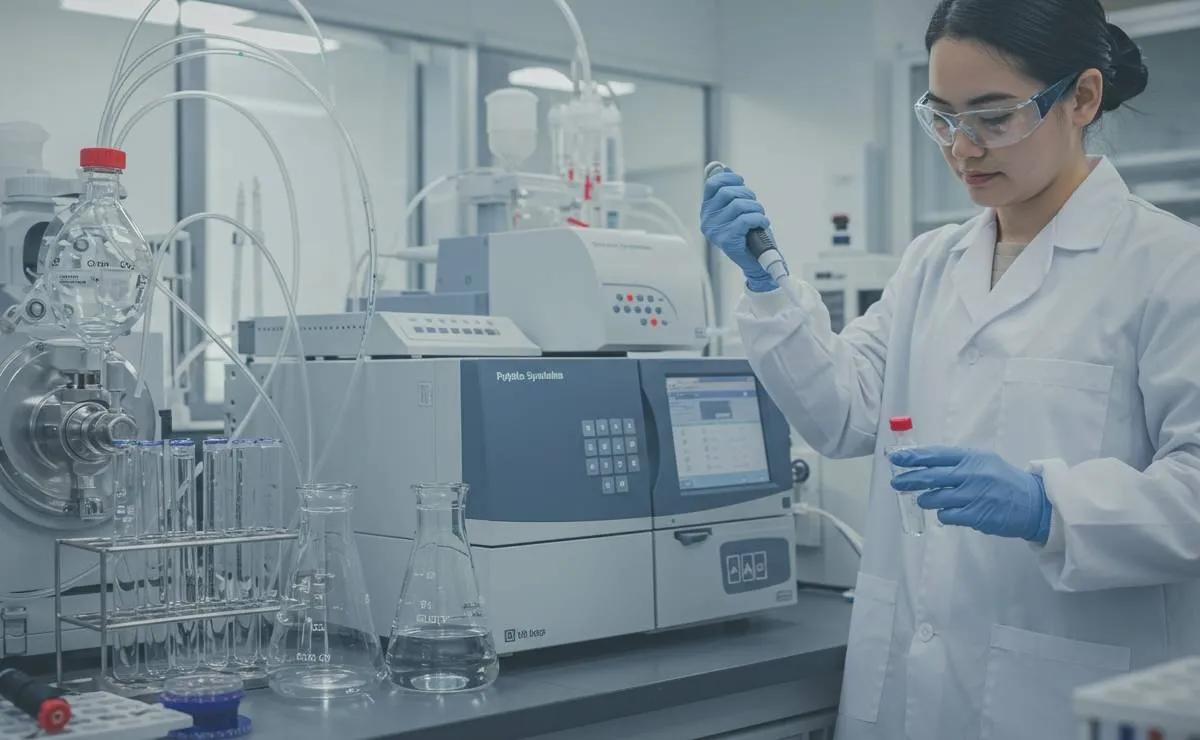
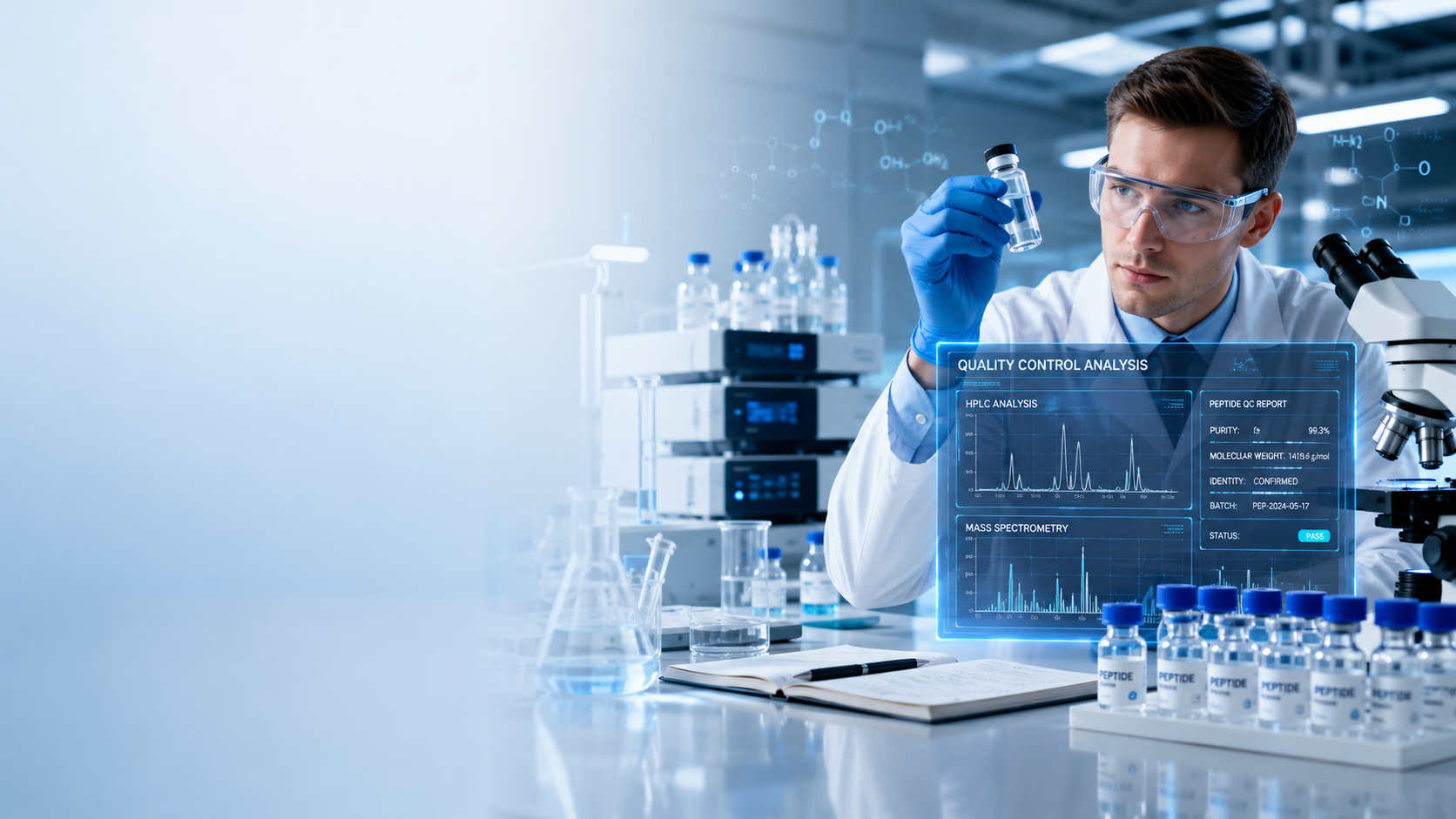
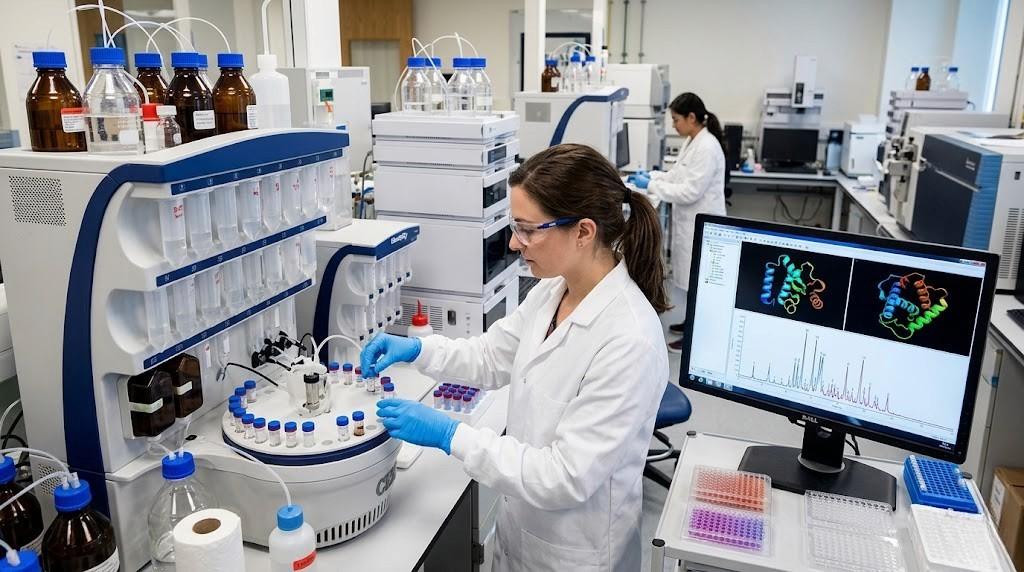
You can’t work with peptides if you don’t know exactly what you’ve got. The latest analytical instruments—think high-res chromatography, mass spectrometry, sequencing, purity testing—make it possible to check every detail, so scientists know they’re working with the right stuff.
Automation has changed almost everything in the lab, and peptides are no different. Robots and automated systems now handle synthesis, prep, testing, and even large-scale manufacturing. That means more reproducible results, fewer mistakes, and faster turnaround.
The next wave is all about integrating new technologies:
These tools are already making research run smoother and quicker.
Still, there are real challenges:
Researchers aren’t giving up. Automation and new chemical strategies are helping chip away at those obstacles.
Peptides hold a special place between small molecules and big therapeutic proteins. Their precision, flexibility, and natural compatibility with our biology make them stand out.
With AI, computational biology, and green chemistry in the toolbox, peptide science is set for even bigger breakthroughs. Think AI-designed peptides, personalized medicines, sustainable manufacturing, and smarter delivery systems.
Peptide research is moving faster than ever before. Thanks to leaps in AI, greener production methods, precision delivery techniques, and powerful analytical tools, scientists are now doing things that were unthinkable just a decade ago. Whether it’s discovering next-gen cancer therapies, fighting antibiotic resistance, or designing delivery systems inspired by nature, peptides are revolutionizing nearly every corner of biomedical research.
As labs keep pushing the boundaries—with automation, machine learning, and high-resolution analysis—the momentum isn’t going to slow down. Peptides are already at the heart of biomedical innovation, and as new discoveries roll in, they’ll keep shaping how we understand biology and develop new treatments for years to come.