

Peptides are having a big moment in biomedical research. These short strings of amino acids are helping scientists do everything from figuring out new ways to spot disease to creating precisely targeted treatments. Whether it’s hormone regulation, cancer therapy, immune research, or regenerative medicine, peptides are shaping the future of medicine in surprising ways.
What sets peptides apart? Unlike most traditional drugs, peptides can zero in on specific targets in the body. This makes it possible to study and influence complicated cellular pathways with a level of accuracy that used to be out of reach. That precision is why pharmaceutical companies and research labs around the world are so invested in peptide-based therapies right now.
But with all this excitement, there’s a catch: none of it works if you can’t guarantee safety and quality. Whether you’re running basic research or developing a new medicine, every step, sourcing, manufacturing, testing, and storage, needs to stick to very strict standards. Otherwise, you risk not just the science, but patient safety.
Let’s break it all down. This guide covers what peptides are, how they’re used, why careful quality control matters, the regulations involved, and where the field is headed next.

Peptides are molecules, natural or synthetic, made of short chains of amino acids. Proteins are just long chains of amino acids, while peptides are shorter, usually only two to fifty in length. But don’t let their size fool you; they’re everywhere in the body, busy playing critical roles as hormones, messengers, growth factors, neurotransmitters, immune regulators, enzymes, and signaling molecules.
Right now, there are thousands of peptide interactions happening in your body, controlling things like:
Because they’re so specific, peptides tend to lock on to one or two biological targets without causing the off-target effects you get with many older drugs. This is why scientists keep finding new ways to use them in medicine and research.

Medicine is shifting toward precision, treatments designed to hit the exact pathway or cell type instead of affecting the whole body. In that world, peptides fit right in.
Lots of peptides work by binding to one particular receptor or signaling channel. That means you can design experiments (and someday, therapies) that pull on just the right biological levers. Current peptide research explores all kinds of fields, including:
As manufacturing methods get better, new peptides are popping up every year, opening more doors for research and therapy.
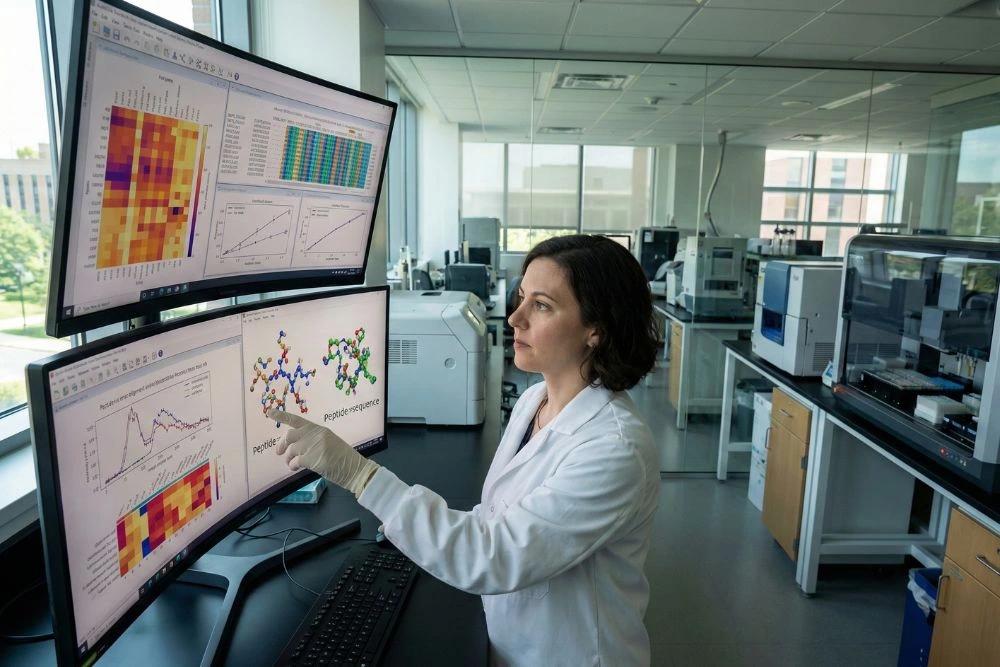
Drug developers love peptides because they can stick to very specific molecular targets. You probably know a few peptide-based medicines already, insulin for diabetes is one famous example. Others are used for obesity, osteoporosis, hormone problems, some types of cancer, acromegaly, and more. The lure is high accuracy with (often) fewer side effects.
Many hormones are peptides. Studying peptide hormones helps scientists get to the bottom of things like:
You learn a lot about basic biology by looking at how these hormones do their jobs.
Oncology relies on peptides more and more each year. Scientists use them for:
The goal is to treat or spot cancer while leaving healthy cells alone as much as possible.
Peptides help make diagnostic tests more accurate. They’re used as:
Earlier and more accurate diagnosis gives people a better shot at a good outcome.
Peptides are essential for understanding and modulating the immune system. They play roles in:
This work helps advance treatments for infectious diseases and immune disorders.
Everything depends on quality control. The tiniest problem during manufacturing can affect:
Good science and safe medicine require careful oversight of everything: the raw materials, how peptides are made, purified, tested, handled, packaged, and shipped.
If quality gets sloppy, you might be dealing with peptides full of impurities—or ones that break down too quickly, or just don’t work as intended. That’s not a risk anyone wants to take.
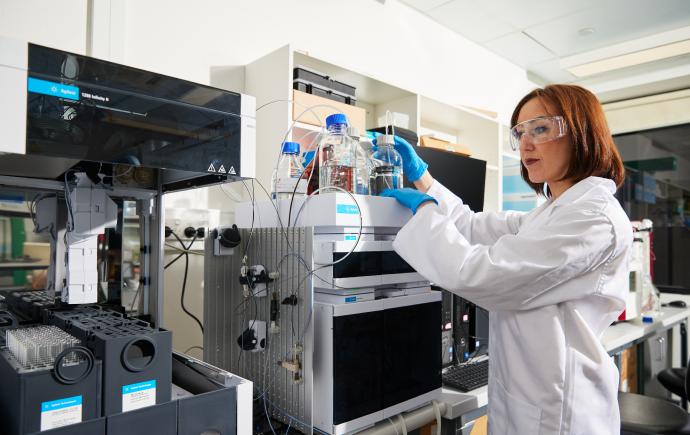
Trustworthy manufacturers use strict quality controls, such as:
Thorough testing is the only way to get reliable results.
Medical peptides aren’t just whipped up and sent out—they face tough regulatory standards. Agencies such as the FDA (U.S.), EMA (Europe), and MHRA (U.K.) make sure that:
Companies must follow Good Manufacturing Practices (GMP) from start to finish.
Nothing goes to patients until it passes clinical trials. These trials usually happen in three stages:
Only after a peptide passes all this does it get approval for use.
Even after approval, healthcare professionals keep close tabs on patients. They use lab tests, check-ups, imaging, and other tools to catch any side effects or problems. That kind of ongoing monitoring keeps patients safer.
Challenges in Peptide Development
The field isn’t without its headaches:
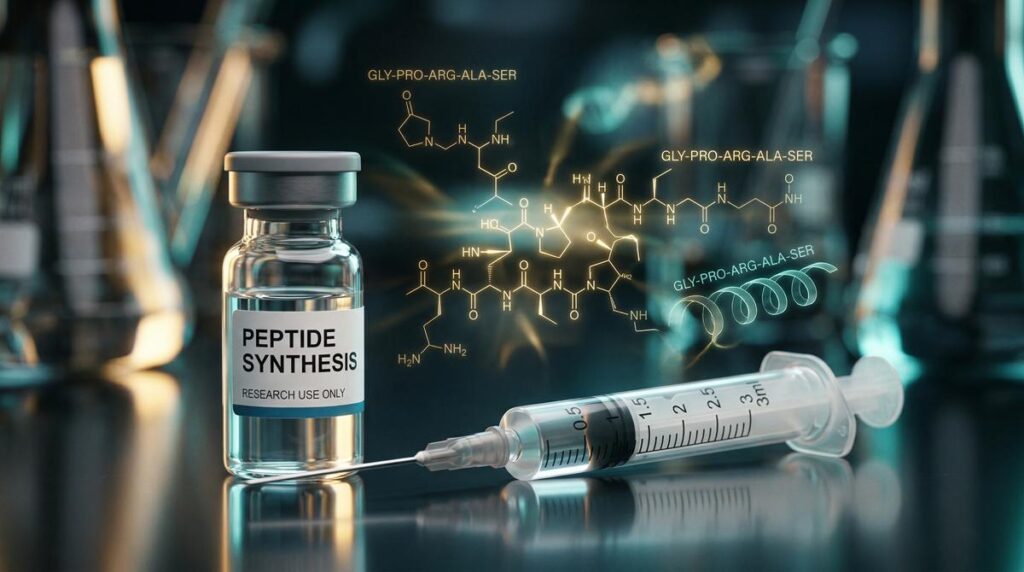
There’s a lot of buzz about where things are headed. New technologies like artificial intelligence are speeding up peptide design and discovery. Personalized peptide medicines, smarter drug delivery systems, designer peptides for cancer and gene therapy, the landscape is changing fast. Machine learning helps scientists find new peptides way faster than old methods ever could.
If you’re working with research peptides, there are some must-dos:
Following these steps protects your research and makes findings more reliable.
Not every peptide supplier runs a tight ship. Always look for companies that back up their quality claims with independent tests, HPLC analysis, mass spectrometry, consistent batches, secure packaging, and good customer support. Ask for the paperwork, any reputable supplier should have it.
Peptides are changing the way doctors and scientists approach everything from diabetes to cancer to rare genetic diseases. Their ability to target specific processes in the body has unleashed new potential in therapies, diagnostics, and even basic research. But as exciting as all this is, none of it means much without strict attention to quality and safety at every step.
Moving forward, innovations like AI, advanced delivery technology, and personalized therapies will only speed up discovery. But at its core, progress depends on careful manufacturing, honest quality testing, tough regulation, and smart research practices. Get that right, and peptides will keep leading the way in the next wave of medical breakthroughs.